Wayfinding Macau Signage: How Navigate?
Macau's casino floors are engineered to disorient you — that is not paranoia, it is architecture. The moment you step past the gaming pit threshold, sightlines bend, ceiling heights drop, and every exit corridor gets deliberately starved of daylight so your internal compass flatlines within ninety seconds. Wayfinding Macau signage is the only countermeasure standing between a player and total spatial collapse, and most properties still butcher it. 🎰
The Brutal Physics of a Lost Player
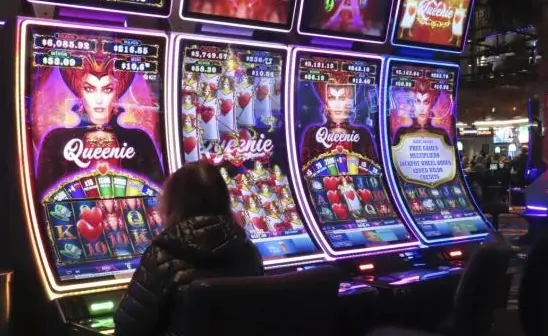
Here is the mechanic nobody prints on the brochure: a disoriented patron spends more time on device, and more time on device means more coin-in per visit. That is why so many older halls treat signage as an afterthought — thick carpet patterns, mirrored columns, and 4,000 identical slot cabinets create a sensory wash that erases landmarks. But the audit data tells a different story. Properties that install disciplined casino wayfinding systems see measurably higher return visitation because players who can find the cage, the washroom, and the taxi stand without rage-quitting actually come back. Confusion is not a revenue strategy; it is a churn machine.
Overhead vs. Eye-Level: The Signage Hierarchy That Works
Stop hanging everything from the ceiling. The correct stack is a three-tier hierarchy with strict altitude rules. Tier one is the overhead blade at 2.4 to 3.0 meters carrying zone identity — "Gaming Floor," "VIP Arrival," "Food Court." Tier two is eye-level directional totems at 1.5 to 1.8 meters, placed at every decision fork and never more than twelve meters apart. Tier three is the floor plane itself: subtle inlay markers and carpet transitions that confirm you are still moving in the right direction. Break this stack and you get what I call sign soup — forty panels screaming at once, zero comprehension. The Macau casino floor layout punishes amateurs because the average property spans multiple levels with asymmetric wings, so a sign that works in one corridor fails catastrophically two turns later.
Language, Icons, and the Compliance Trap
Macau runs on trilingual reality — Cantonese, Mandarin, Portuguese, and English all share the same panel. That is four text blocks fighting for one sightline. The fix is ruthless iconography: a universally legible pictogram carries the message, and the four languages shrink to supporting captions at 60 percent of the icon height. Regulators require certain statutory panels near exits and cashier zones, and those cannot be beautified away, so design the hierarchy around them instead of pretending they do not exist. Illumination matters too — backlit panels at 300 to 500 nits read cleanly under the harsh 2700K to 3000K gaming floor lighting, while anything dimmer dissolves into the carpet glare.

Digital Wayfinding Is a Trap Unless You Do It Right
Interactive kiosks look futuristic and fail constantly. The touchscreen at the escalator bank gets greasy, the map software loads slow, and the guest abandons it in eight seconds. If you deploy digital, the rule is one-tap destination selection with a printed route receipt — no pinch-zoom, no scrolling menus. Static analogue panels still outperform digital in pure navigation speed, and the reason is simple: a human reads a fixed blade sign in under two seconds and keeps walking. Any casino navigation strategy that forces a guest to stop and operate hardware is a failure of design discipline, no matter how expensive the hardware was.
Audit the Route, Not the Sign
Walk the property yourself with a stopwatch and a stranger. Time how long it takes to reach the cage from the main entrance, then from the farthest slot bank, then from the VIP lift lobby. Anything over ninety seconds means the wayfinding chain has a broken link. Count the decision points where a guest must choose a direction — every single one needs a panel within line of sight. Track the failure metric nobody reports: the number of guests who ask staff for directions per hour. That number is your real signage score, and it does not lie. 🔍